
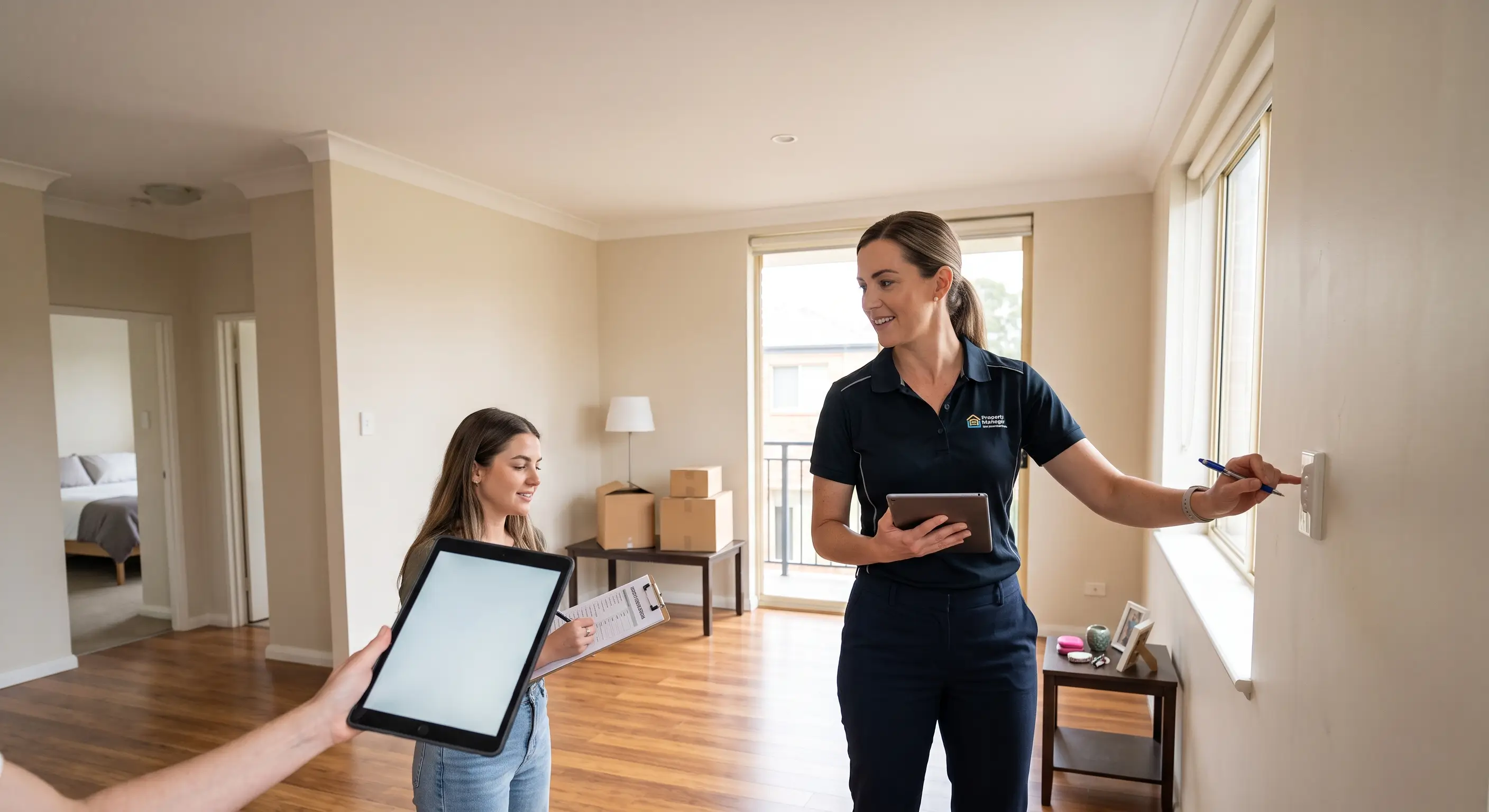
Most security deposit disputes are won or lost months before the tenant vacates. The deciding moment is move-in day, when the condition of the property either gets recorded or gets left to memory.
That matters more in Charlotte than in many cities. Roughly 49% of occupied homes here are rented, based on the U.S. Census Bureau's 51% owner-occupied rate for the city. Every one of those leases ends with a move-out and a deposit decision. A detailed move-in inspection gives you the proof to back that decision up. It also sets clear expectations for your tenant from the very first day.
The right documentation starts with knowing why it carries so much weight, so let's look at what's really at stake for Charlotte landlords.
Key Takeaways
- North Carolina requires itemized security deposit deductions within 30 days of move-out.
- Wear and tear cannot be deducted, so your baseline condition must be crystal clear.
- Alarms and outdoor areas deserve the same attention as interior rooms.
- Dated photos and a tenant signature make your report far harder to dispute.
Why Move-In Inspections Matter for Charlotte Landlords
A move-in inspection plays a vital role in protecting your rental property. Under North Carolina law, G.S. 42-52 requires landlords to itemize security deposit deductions in writing within 30 days after the tenancy ends. The same statute bars deductions for normal wear and tear and limits you to your actual damages. That puts the burden of proof on you. Here are the biggest reasons a move-in inspection is worth the effort:
- It separates pre-existing damage from new damage, so you only charge for what the tenant actually caused.
- It gives you the evidence to justify every deduction on your itemized list.
- It protects your case in small claims court if disputes arise over the deposit.
- It shows the tenant exactly what condition they need to return the home in.
- It keeps tenant relationships on good terms because nobody feels blindsided at move-out.
State law does not require landlords to complete a move-in inspection. It is still strongly recommended for every lease you sign.
What to Document in Every Room
A solid rental property inspection checklist works room by room. Here are the details that matter most in each space.
Walls and Floors Need Close-Up Photos
Walk each room slowly and photograph anything with visible damage. Pay close attention to:
- Nail holes or scuffs on walls and trim
- Carpet stains or pulled seams
- Scratches and water spots on hardwood or vinyl plank
- Cracked tiles or loose baseboards
Don't forget to look up. Note any ceiling stains and check that ceiling fans run without wobbling.
Kitchen Appliances Need Working-Condition Notes
Test every appliance during the walkthrough. Run the dishwasher on a short cycle and turn on every burner. Confirm the fridge is cooling properly. Record the brand of each appliance along with any dents or scratches. Appliance claims often involve expensive repairs, so extra detail here is worth the time.
Bathrooms Need Checks for Leaks and Water Damage
Bathrooms tend to hide slow problems. Check caulk and grout lines for gaps or mildew. Open the cabinet under each sink and look for soft spots or old water marks. Flush every toilet and listen for running water. Small maintenance issues like these grow quickly when nobody catches them early.
Systems and Outdoor Areas Landlords Often Miss
Many landlords wrap up once the rooms are done. Here are the items that tend to slip off a standard move-in checklist.
The HVAC System and Water Heater Belong in the Report
Charlotte summers keep air conditioners working hard. Record the filter condition and confirm the thermostat responds. Inspect the water heater for rust or leaks and note the manufacture date on its label. These notes show the tenant received working systems.
Smoke Detectors and Carbon Monoxide Alarms Must Be Working
This step protects tenant safety as much as your paperwork. G.S. 42-42 requires landlords to provide working smoke detectors. Carbon monoxide alarms are required in homes with fuel-burning appliances or an attached garage. Unless you and the tenant agree otherwise in writing, the landlord must install fresh batteries in battery-operated alarms at the start of a tenancy. Test each unit and log the date. If the home has fire extinguishers, note where they are and their charge level.
Outdoor Spaces Need Their Own Section
Photograph the lawn and landscaping. Check fence panels and gates for damage. Walk the deck for loose boards and test the garage door opener. If the lease makes the tenant responsible for yard care, these photos become your proof.
Chestnutt Real Estate and Property Management takes the guesswork out of move-in day for Charlotte rental property owners. Schedule a consultation with us and put a documented inspection process in place before your next tenant arrives.
How to Make Your Documentation Hold Up
Your move-in report sets the baseline for all rental inspections that follow. Here are the habits that turn inspection findings into reliable evidence:
- Photograph and film every room. Take wide shots, then close-ups of damage. Date-stamped photos and a walkthrough video create a clear record.
- Finish the report the same day. Waiting too long is one of the most common mistakes landlords make.
- Get the tenant's signature. Walk the rental unit together and give them a signed copy. This respects tenant rights and prevents most damage disputes.
- Compare during regular inspections. Your baseline helps landlords verify lease compliance and spot unauthorized tenants or unauthorized modifications like changing locks. A drive by inspection can fill gaps between routine checks.
- Follow your lease on entry. North Carolina law sets no specific entry notice period, so lease agreements should state when the landlord inspects the unit. Proper notice through written notice and visits during normal business hours are common standards. Handle maintenance requests quickly between routine inspections.
Clear notice requirements and lease terms keep the process fair. When the tenant vacates, the final inspection compares the move-out inspection to your original report. If the home is in the same condition minus normal wear, the full deposit goes back.
Frequently Asked Questions
How long should landlords keep move-in inspection records?
Keep them for the entire tenancy and several years after move-out. Old records become useful if a former tenant files a claim later.
Can a tenant add issues after moving in?
Many landlords allow a short window, often three to seven days, for tenants to submit extra notes in writing. Put that window in the lease so everyone knows the timeline.
Is an inspection app better than a paper checklist?
Apps make it easier to attach timestamped photos and share reports instantly. A paper checklist still works fine as long as you pair it with dated photos and a signature.
A Better Move-Out Starts on Day One
A move-in report takes an hour or two to complete. That hour can save you weeks of back-and-forth over security deposits. Treat inspections as a core part of every lease cycle and your records will do the heavy lifting when it counts. Rental property inspection laws can change, so check with a licensed attorney on specific legal questions.
Protect your Charlotte investment with a process that holds up at every turnover. Contact Chestnutt Real Estate and Property Management today for full-service property management built around clear records and consistent property inspections.